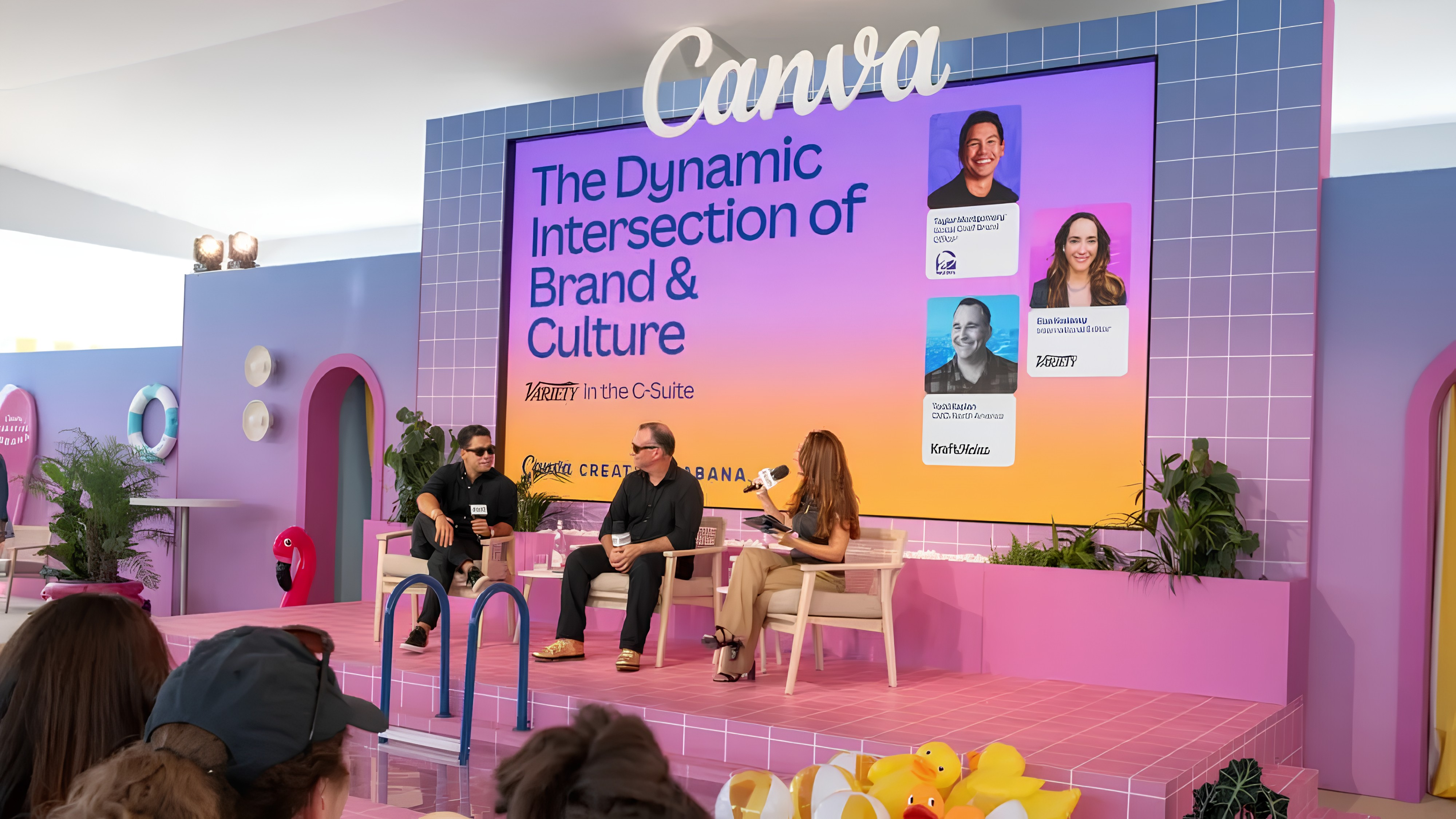
During PMG's Creator Spark workshop at Cannes Lions 2026, one line landed harder than the rest of the session combined.
"Creators are like TV channels."
The room had a moment of recognition. The brand marketers nodded. The creators in the conversation, Joel Marlinarson, Amanda McCants, Caitlyn Kumi, Airrack, each spent the next few minutes explaining their own version of why it's true. And the moderator, Jennifer Quigley-Jones from PMG, used the framing to reorganise the rest of the discussion around what it actually implies for how brands should be approaching creator partnerships.
I've been thinking about it ever since. This article is about why the TV-channel framing is the most useful mental model for briefing creators I've come across, what it changes about how a brand should write the brief, and what the deeper trend it points to actually is.
What the TV Channel Framing Actually Means
A top creator in 2026 makes more than one type of content. They run a channel that produces multiple shows, each with its own format, audience expectation, pacing, tone, and purpose within the broader brand the creator has built.
A creator's channel might include, depending on the operator:
- A daily or near-daily vlog format (the "flagship show")
- A long-form interview or explainer series
- A short-form (Reels, TikTok, Shorts) content stream with its own creative voice
- A podcast or audio property
- Branded-content placements treated as their own format
- Live streams or community-facing content
- Sometimes a separate publishing layer (newsletter, paid subscription, product line)
Each of these is a different show. They share a brand (the creator's name and identity), and they share an audience, but the audience consumes them with different expectations. A creator's daily vlog audience and that same creator's branded-content audience form different psychographics, even when they overlap demographically.
What This Means for Brand Briefs
The brief most brands write looks roughly like this: "We'd like to do a collab with [creator]. Here's the product, here's the campaign goal, here's a sense of what we're hoping for."
The problem with that brief, under the TV-channel framing, is that it doesn't specify which show.
The consequences play out predictably:
- The brand had something like the creator's flagship vlog in mind, but the creator delivers a short-form piece because that's what fit their production schedule
- The brand had something high-production in mind, but the creator delivers something casual because that's how they read the latitude in the brief
- The brand had a long-form explainer in mind, but the creator delivers something punchier because that's where their team's creative energy is right now
- The brief lands in the creator's inbox and they have to guess which show to make it for, which means they're guessing about audience, format, tone, and how much production they should commit
None of this comes down to the creator. The problem is the brief. It named the channel and left the show unspecified.
What a Show-Specific Brief Looks Like
The move that fixes this is small but meaningful. Before writing the brief, study the creator's channel the way you'd study a TV channel before buying ad inventory:
- Map their formats and shows
- Identify the audience expectation each show carries
- Identify the production scale and tone each show operates at
- Identify which show most naturally fits the campaign goal
Then specify it in the brief.
Instead of "we'd love to do a sponsored video," the brief becomes "we'd love to do an episode of your [specific show], with this product as the integration angle, hitting these creative beats while preserving your usual rhythm."
The creator immediately knows what they're making. The audience expectation aligns with the brief expectation. The deliverable matches what the brand actually wanted. The friction in the back-and-forth drops dramatically.
For the creators on the Creator Spark panel, Airrack's content output alone runs across at least four distinct formats with different audiences, this distinction is the difference between a productive collaboration and one where the creator silently delivers something the brand didn't quite envision.
The Bigger Trend Behind the TV Channel Framing
The TV-channel mental model is useful in itself. But it also points to a bigger trend that brand-side operators should be tracking carefully.
Top creators have become entrepreneurs running businesses rather than individual content producers. The mature ones have:
- A production team handling content operations
- A business development function handling brand deals
- A talent management or agency layer handling negotiation
- Sometimes their own creative studio for branded content
- An accounting layer handling tax, invoicing, business operations
- Multiple revenue streams across content monetisation, brand deals, product lines, and sometimes equity stakes
When you brief a top creator in 2026, you're briefing a small media business rather than a single person making videos. The TV channel framing is one way to describe that. "Creators are entrepreneurs" is another. Both are correct; both have the same implication for how the brand-creator partnership should operate.
Which brings us to a related point that didn't make the workshop but probably should have.
If Creators Are Businesses, Pay Them Like Businesses
Here's the part of the TV-channel framing that's relevant to anyone running an operational creator program at scale.
When creators were treated as individual producers, the payment workflow that brands defaulted to was often informal, PayPal, bank transfer, sometimes Net-60, sometimes whatever the brand's AP team happened to be set up for. It was a slightly awkward fit, but it usually worked because the individual creator was structurally able to absorb the friction.
When creators are businesses, that workflow stops fitting. A creator who runs a multi-format media operation has the same payment expectations any other small business has. They want:
- Compliant invoices, automatically formatted
- Payment in their preferred currency, on time
- Clean accounting handoff to their team
- Reliable cadence for repeat collaborations
- Multiple payment methods (because their banking realities vary by jurisdiction)
A creator's payment experience working with a brand is one of the data points that determines whether they pitch the brand to other creators in their network. If you're briefing the creator's TV channel and treating them as a business operator, the payment experience has to match, or the partnership feels mismatched in a way that's hard to articulate but visible in retention.
This is the part of the "creators are TV channels" framing that connects to the operational reality of running a modern creator program. The brief upgrade and the payment upgrade are two halves of the same shift in how brands have to think about partnership.
The Short Version
The most useful mental model I picked up from Cannes Lions 2026: top creators run TV channels with multiple shows rather than single content streams. The brief most brands write specifies the channel without specifying the show, and the resulting partnership suffers for it.
The fix is small: study the creator's channel the way you'd study a TV channel before buying inventory. Identify which show fits the campaign. Write the brief to that show specifically. The friction in the back-and-forth drops dramatically.
Underneath the framing is a deeper shift, creators are now entrepreneurs running media businesses. The brief, the partnership terms, and the payment experience all need to match that reality.
Make Payouts easy with Talentir
Pay anyone worldwide, in seconds. We take care of payee onboarding and offer multiple currencies and payout methods. Enjoy automatically generated invoices, 1-click bookkeeping and multiple features to make payouts profitable.