
For songwriters and publishers, performance royalties represent a critical revenue stream. As streaming platforms have expanded, these royalties have become essential income for many artists. However, the digital era presents collection challenges, making it increasingly difficult for creators to capture 100% of their earnings.
What are performance royalties?
Performance royalties are fees that music users pay when compositions are performed publicly. Businesses and platforms using music must obtain licenses from songwriters and publishers, paying fees in exchange for the right to broadcast or perform those works. These payments flow to songwriters and publishers whenever their compositions receive public performance or broadcast, whether through live venues, television and radio stations, or online streaming services.
When are performance royalties paid?
Public performance royalties apply whenever a musical composition receives public performance or broadcast. This includes radio airplay, television broadcast, live performances (by original or cover artists), and digital streaming. When your composition plays anywhere publicly, whether a restaurant, retail space, or digital platform, you're entitled to compensation.
On streaming platforms like Apple Music or Spotify, royalties divide into two categories: composition royalties (songwriter and publisher payment) and sound recording royalties (artist and label payment). Composition royalties further separate into mechanical and performance royalties, each serving distinct purposes.
How do performance royalties work?
The process follows three fundamental steps:
- Songwriters and publishers register compositions with a Performing Rights Organization (PRO)
- The PRO monitors and tracks music usage across public venues
- The organization distributes collected royalties to eligible songwriters and publishers
Without PRO or Collective Management Organization (CMO) registration, creators cannot access performance royalties. This registration ensures accurate performance tracking and proper compensation distribution.
Who collects performance royalties?
Performance Rights Organizations (PROs) and Collective Management Organizations (CMOs) serve as intermediaries between artists and music users. They monitor performances, collect licensing fees from venues and platforms, and distribute royalties accordingly. CMOs operate globally and coordinate with PROs to ensure artists receive compensation regardless of location.
Many countries maintain independent PROs, though agreements between organizations enable creators in countries without PROs to still collect royalties through foreign partners.
Performance royalty rates
No standardized rate exists for performance royalties, rates vary based on specific performance circumstances and existing agreements. Calculation methods differ across countries and organizations, so understanding your PRO's particular methodology matters significantly.
Royalty distribution typically follows predetermined splits established in distribution and recording agreements, though specific calculations vary by PRO, CMO, and geographic region.
How to collect performance royalties
Joining a PRO or CMO remains essential for collecting performance royalties. These organizations establish licensing agreements with venues, broadcasters, and platforms that publicly use music. They employ digital fingerprinting and manual matching to identify performed songs by comparing music user data against registered song databases.
Artists unregistered with a PRO miss performance royalties from streaming platforms, though they may still access other royalty types. Registration ensures complete compensation across all revenue streams. For a complete list of PROs globally, consult available industry resources.
Who pays performance royalties?
Music users, radio and TV stations, streaming services, and event organizers, pay performance royalties. PROs issue licenses to these entities, allowing them to access the PRO's music catalog. The organization then tracks usage and distributes collected fees to songwriters and publishers according to their established split agreements.
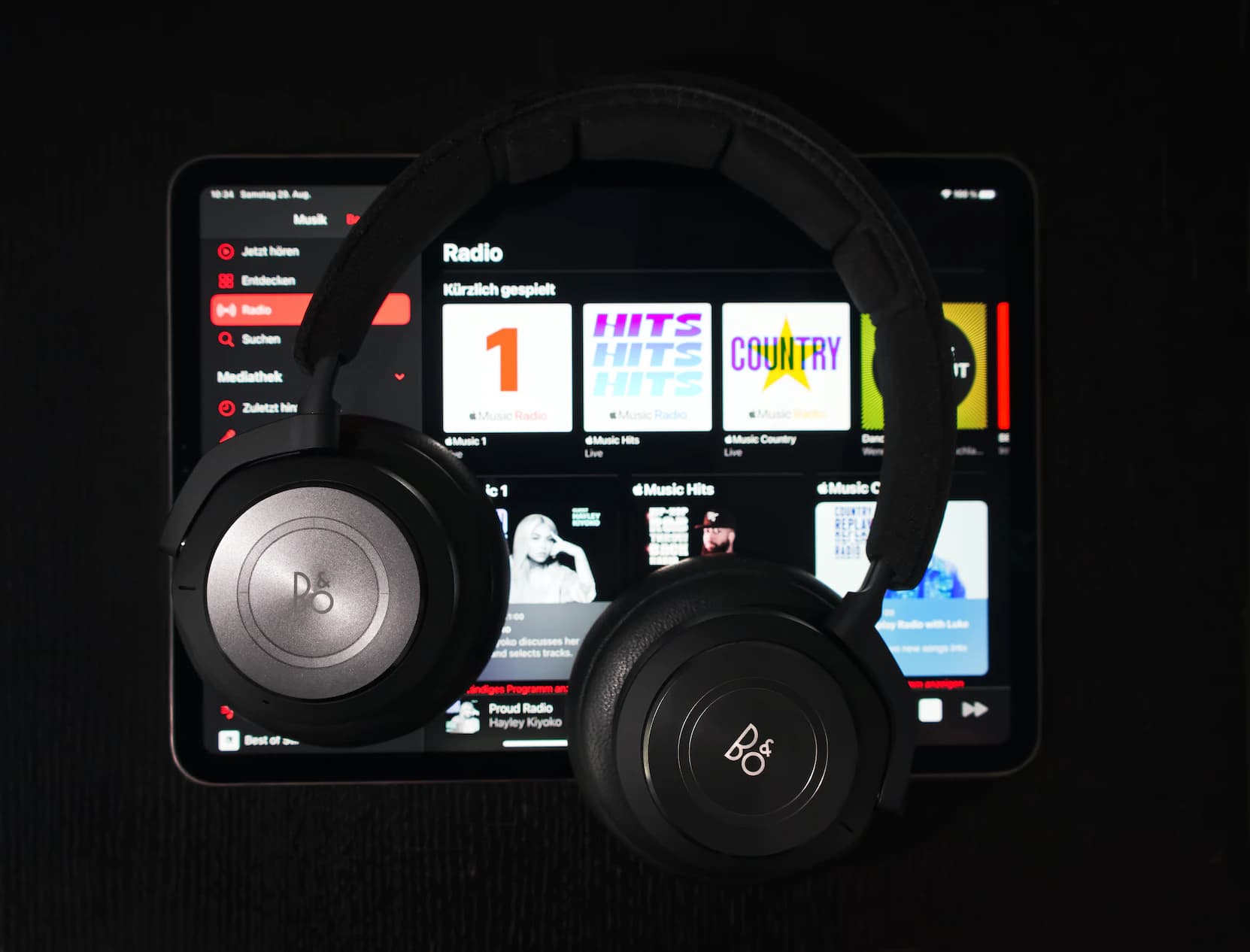
Interactive streaming services (Spotify, Apple Music, Amazon Music) allow users to select specific content and make three separate payments to rightsholders: mechanical royalties, public performance royalties, and recording owner compensation. Non-interactive digital services pay digital performance royalties to recording artists, while interactive services pay composition royalties only.
What's the difference between performance and mechanical royalties?
Performance royalties compensate songwriters and publishers for public broadcast or performance rights, while mechanical royalties cover reproduction and distribution rights (streaming, downloading, physical sales). Though distinct, these often intertwine in practice.
Streaming services simultaneously pay both types: mechanical royalties for reproduction rights and performance royalties for public composition performance. Mechanically, distributors traditionally paid mechanical royalties from sales revenue.
Performance Royalties
- Compensation for public performance or broadcast
- Collected by PROs on behalf of songwriters and publishers
- Covers radio airplay, TV broadcasts, live venue performances, and interactive digital streams
- Calculated based on performance type, licensing fees, survey hours, and related factors
- Distribution reflects each songwriter's compositional share
- Payment source: businesses or organizations playing the song
Mechanical Royalties
- Compensation for composition reproduction and distribution
- Collected by publishers, collecting societies, and mechanical agencies
- Covers physical sales, downloads, and streaming
- Calculation based on copies sold, downloaded, or streamed
- Distribution reflects each songwriter's compositional share
- Payment source: record labels or distributors
Make Payouts easy with Talentir
Pay anyone worldwide, in seconds. We take care of payee onboarding and offer multiple currencies and payout methods. Enjoy automatically generated invoices, 1-click bookkeeping and multiple features to make payouts profitable.
FAQs
How are performance royalties calculated?
Calculation factors include performance type, audience size, duration, and licensing agreements. Rates vary by platform and region, typically determined through industry negotiations or established standards.
How do performance royalties work?
When compositions receive public performance, PROs or CMOs collect fees from venues, broadcasters, or streaming platforms. These organizations then distribute collected amounts to appropriate artists and rights holders.
What's the difference between mechanical royalties and performance royalties?
Performance royalties compensate for public composition performance rights, while mechanical royalties compensate for composition reproduction through recording, manufacturing, and distribution.